11 Nov 2026
Connected Workplace Best Practices: 6 Company Examples for 2027
You’ve found the office, hired the team and set up the tools. Connection is the part that doesn’t come in the box. People need to know who’s in, where to meet and how to reach each other, whether they work from the office, from home or both.
We looked at six companies that do this well, each in its own way. Below you’ll find what they do and the practices you can copy in your own workplace.
What is a connected workplace and why is it important?
A connected workplace links your tools, spaces and people, so everyone can communicate and work together with little friction. It matters because most teams are now spread out: in August 2026, 54% of remote-capable employees in the U.S. worked hybrid and 25% fully remote, according to Gallup. When people can find each other and the right space easily, collaboration gets easier and the office feels worth the trip.
For more ideas and practical tips, read our guide on building a connected workplace in 2027.
6 best practices of connected workplaces
Here’s how six companies built a connected workplace around their own needs. Each took a different route, which is the point: copy the practices that fit your team.
1. Canva
Canva’s hybrid work environment expertly balances flexibility and connection. Rooted in its mission to help global design, Canva upholds values that support a unified culture across all locations.
Canva promotes meaningful connections through team events, cross-departmental meetups, and its own vibrant communal spaces like cafes and bars in its offices. Their virtual initiatives such as the Canva Cooking School and seasonal online activities, along with physical gatherings like escape rooms and bowling, maintain engagement across remote teams. Their “Force for Good” initiative encourages volunteerism, building a sense of community among employees.
Canva’s commitment to inclusion ensures every team member feels valued from day one, supported by customizable benefits like the “Vibe & Thrive” allowance for home office setups, professional growth, and wellbeing. With a culture driven by ongoing feedback, Canva remains a lively, supportive, and connected workplace.
Key features of Canva’s connected workplace:
- Regular virtual and in-person team events
- “Force for Good” initiative to build a sense of community
- Customizable “Vibe & Thrive” allowance for diverse needs
2. Drata
Drata is a great example of how to maintain a connected remote workplace. They build lively interactions with tools like Slack and Gong, using location-specific channels for meetups, team gatherings, and quarterly training sessions to prioritize knowledge sharing and team connections.
The onboarding process is designed for teamwork, with new hires joining cohorts to support one another and access live and on-demand content. Cross-departmental meetups during onboarding further integrate newcomers into the company culture, reinforcing a sense of connection.
Drata’s lively virtual quarterly business reviews feature engaging activities, speakers, and trivia, enhancing learning experiences. Their dedication to building genuine human connections contributes to their success in creating a collaborative and connected remote workplace, proving that remote environments can rival the engagement of in-person settings.
Key features of Drata’s connected workplace:
- Team-specific off-sites
- Use of Slack for chats and location-specific meetups
- Transparent company-wide meetings with department updates
3. EPIC Agency
EPIC’s workspace embodies creativity and inspiration with spacious offices, cozy chill zones, a modern cafeteria, a theater, and even a Lego museum. Their dedicated Happiness manager ensures a harmonious blend of productivity and enjoyment by organizing team-building events and ensuring a constant supply of croissants.
EPIC enhanced their workplace environment by implementing Joan workplace experience platform. Introducing Joan revolutionized the way meeting rooms are managed, offering an intuitive interface and real-time updates that simplify booking, promoting efficiency and reducing scheduling conflicts. This upgrade has not only optimized operations but also nurtured a more productive and cohesive work environment at EPIC.
Key features of EPIC’s connected workplace:
- Dedicated Happiness Manager
- Implementation of Joan workplace experience platform
- Creative workspace environment that inspires creativity
4. Zappi
Zappi cultivates a connected workplace centered on collaboration, respect, and support. As a distributed company, Zappi emphasizes cross-functional teamwork, helping diverse teams with tools like Slack, Notion, Jira, Miro, and Trello. They developed a custom Slack app to match random people for virtual coffees each week, and their all-hands meeting on Fridays includes a DJ. The open door policies, quarterly surveys, and leadership consultations ensure every voice is heard.
Transparency is a cornerstone of Zappi’s connected culture, exemplified by their CEO’s 94% approval rating on Glassdoor. His leadership encourages open dialogue and trust, building an environment where ideas are valued and collaboration thrives. Open door policies, quarterly surveys, and regular leadership consultations ensure that all perspectives are valued and contribute to their inclusive workplace culture.
Key features of Zappi’s connected workplace:
- Transparent and inclusive leadership
- Use of various project management apps
- Open door policy and regular employee surveys
5. Strata
Strata nurtures a vibrant culture centered on collaboration and continuous growth. The company ensures every team member is set up for success with custom onboarding plans that feature hands-on learning alongside peers. Their quarterly new hire retreats at the Chicago campus deepen connections among leaders and peers, building a strong community and shared sense of purpose.
Beyond onboarding, Strata invests in career development through initiatives like a career lattice structure and comprehensive leadership training, enriching skills across various career paths. This commitment to nurturing talent and building a connected workplace reflects Strata’s belief that collective learning and growth help employees to make a meaningful impact.
Key features of Strata’s connected workplace:
- In-person team collaboration days on campuses
- Career lattice structure for diverse career progression
- Quarterly new hire retreats for leadership and peer connections
6. Pax8
Pax8’s connected workplace focuses on creating lively environments that entice staff away from their comfortable home setups. Their efforts are not just about boosting productivity; it’s about crafting spaces that add significant value to the workday, blending functionality with aesthetic appeal. This vision drove Pax8’s innovative office layouts, integrating modern technology like Joan and design elements that enhance both utility and allure.
Pax8’s strategy includes designing for diversity and flexibility, tailoring city offices to young professionals who prefer vibrant, centrally-located spaces, and suburban offices for older employees who value amenities like ample parking and a quieter atmosphere. Their office design emphasizes zones rather than departments, including quiet zones for focused work and more vibrant, busy areas that facilitate collaboration and social interaction.
Pax8 offices feature high-quality amenities, such as catering services, transforming the workplace into a desirable destination where employees can enjoy exceptional food and refreshments, making the office a place where they want to be, not just where they need to be.
Key features of Pax8’s connected workplace:
- Zoned design for diverse work styles and needs
- Innovative office layouts with modern technology
- City offices for young professionals and suburban offices for older employees
Create a connected workplace with Joan
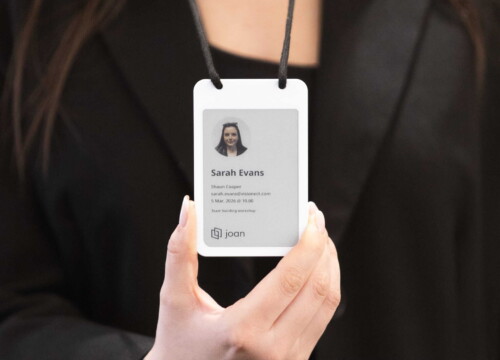
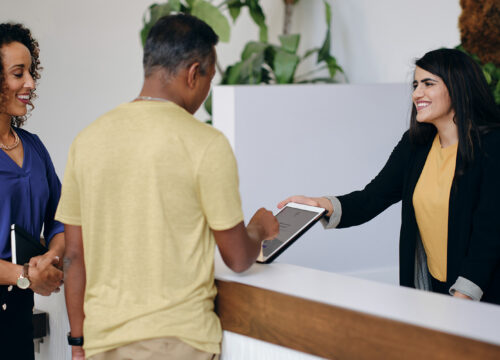
Joan helps you put these practices into everyday use. People can book rooms and desks from the door, the app or Joan AI in Microsoft Teams, see who’s in the office, and check in visitors, all in one platform that works with the calendars you already use.
Contact us to see which setup fits your workplace.
Frequently asked questions
What are the best practices for a connected workplace?
Make it easy to find people and space, bring remote colleagues into every meeting, share information in one place, invest in onboarding and learning, and ask for feedback regularly. The six companies above each combine several of these.
How do you keep remote and hybrid teams connected?
Use shared channels for daily talk, regular in-person or virtual get-togethers, buddy systems for new hires, and tools that show who’s in the office and when. Small rituals, like random coffee pairings, help too.
How do you measure a connected workplace?
Track numbers you already have, such as room no-shows, desk booking use and engagement survey scores, and add one or two survey questions about how easy it is to find people and information. Our connected workplace guide lists six goals to measure.