17 Apr 2025
Hot desking or dedicated desks? Yes.
Last week marked our one-year anniversary of tackling a classic office problem. We had packed Tuesdays and Thursdays with everyone fighting for desk space, while Mondays and Fridays felt like a ghost town.
This pattern got me thinking about one of the biggest workplace debates: dedicated desks vs hot desking? It’s a decision that seems straightforward on paper but gets surprisingly complex in practice.
Since then, we’ve been experimenting with different workspace models across our offices, collecting data, gathering feedback, and honestly, making some enlightening mistakes along the way. Today, I want to share what we’ve learned about the great desk debate, stripped of buzzwords and focused on what actually works.
The tale of two desking strategies
Before diving into the nuances, let’s make sure we’re on the same page about what these approaches actually mean:
Dedicated desks: Permanently assigned workspaces where employees have their own desk, personalized with their equipment, family photos, and that slightly concerning collection of coffee mugs.
Hot desking: Unassigned seating where employees choose from available workspaces each day, packing up their belongings when they leave.
Sounds simple enough, but the impact of this choice runs deeper than most workplace leaders initially realize.
The case for dedicated desks
When we surveyed our team about workspace preferences, the dedicated desk supporters were passionate about their position. Here’s what the data (and candid feedback) revealed:
- The psychological home base
For many employees, especially those who come to the office regularly, having a dedicated space creates a sense of belonging. One of our senior developers put it perfectly: “My desk is where my brain knows it’s time to work.” That psychological anchor shouldn’t be underestimated.
- Personalization equals productivity
Our engineering team showed a measurable productivity boost when working at their dedicated stations. Why? Their customized multi-monitor setups, ergonomic adjustments, and workflow optimizations were precisely tailored to their needs.
- The introverts’ sanctuary
For team members who find open collaboration spaces draining, a dedicated desk provides a predictable environment where they can control their interactions and focus deeply.
Here’s the reality check. Dedicated desks make the most sense for employees who:
- Come to the office 3+ days per week
- Require specialized equipment
- Perform deep focus work regularly
- Value routine and predictability in their workspace
The case for hot desking
On the flip side, our hot desking experiment revealed some compelling advantages that even dedicated desk enthusiasts couldn’t ignore:
- The space efficiency revelation
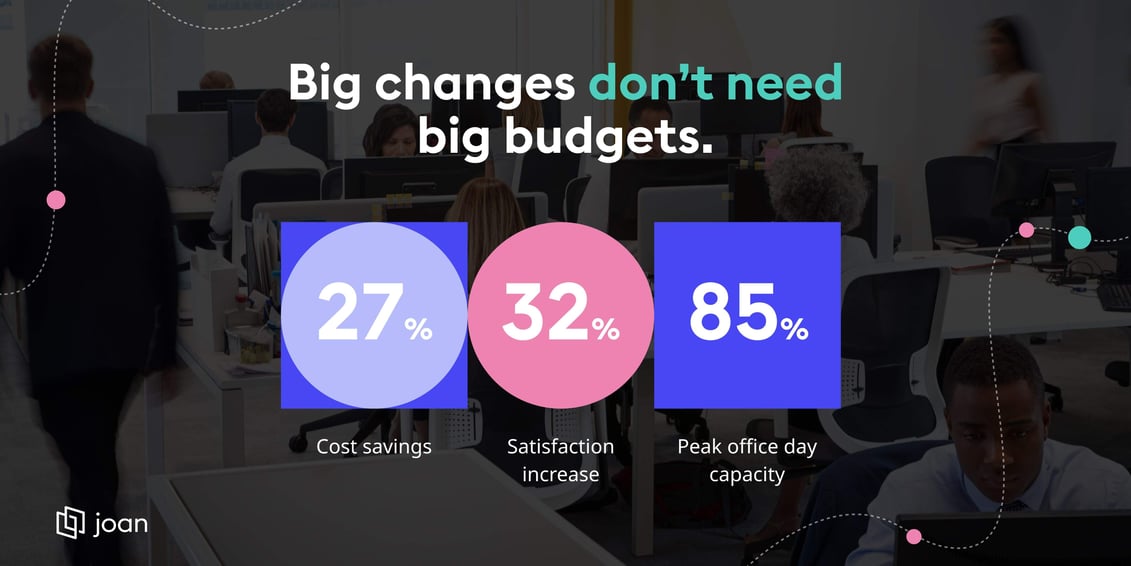
Our facility costs dropped by 27% when we introduced hot desking in our sales and marketing departments. The math was simple: these teams were rarely in the office simultaneously due to travel and client meetings, making dedicated desks an unnecessary expense.
- Collaboration on steroids
When our product team adopted hot desking, cross-functional collaboration increased by 34% (yes, we measured it!). Team members reported more spontaneous problem-solving sessions simply because they sat near different colleagues each day.
- The flexibility dividend
For our hybrid workers who split time between home and office, hot desking provided the flexibility they craved. One team lead shared: “I don’t need the same desk every Tuesday – I just need a functional space where I can be productive for the day.”
Hot desking thrives in environments where:
- Teams have variable office attendance patterns
- Collaboration across departments is crucial
- Real estate costs need optimization
- Flexibility is valued over consistency
Finding the sweet spot: Desk hoteling
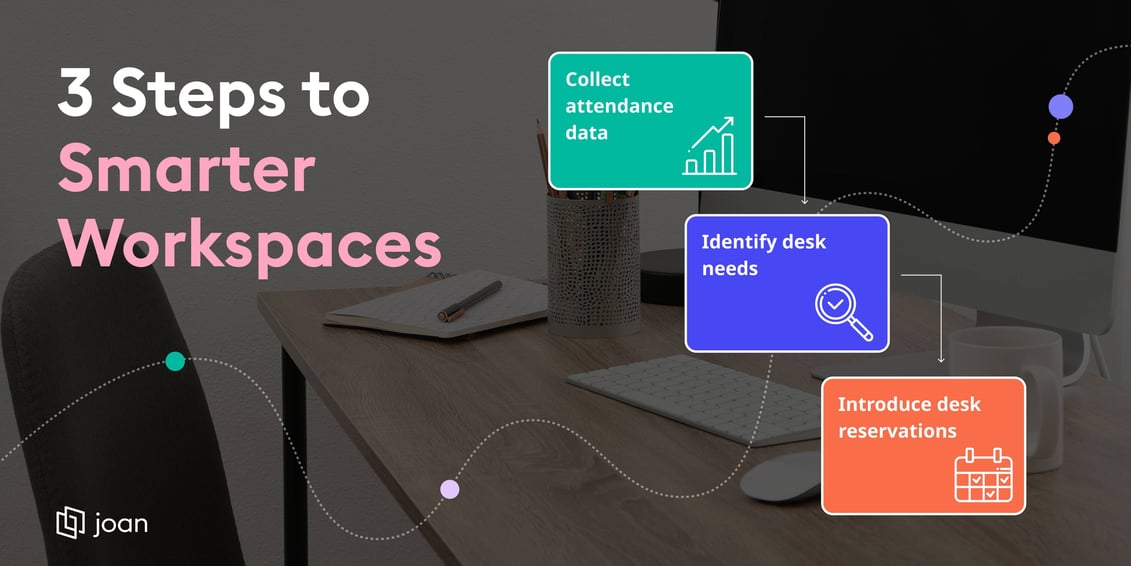
Unlike pure hot desking where it’s first-come-first-served, desk hoteling introduces a reservation system that provides structure without rigidity.
Here’s why desk hoteling emerged as our sweet spot:
- Predictability without permanence: Employees can reserve their workspace before coming to the office, eliminating the morning scramble for desks while maintaining flexibility.
- Resource optimization with data: Our reservation system collects valuable usage data, helping us understand patterns and optimize our space accordingly. When we discovered Thursdays were consistently our busiest days, we converted more meeting rooms to workspaces specifically for those peak periods.
- Culture connectivity: Desk hoteling created natural cross-pollination of ideas while respecting team bonds. Several innovative projects emerged from connections made between people who wouldn’t typically interact in a fixed seating arrangement.
- The technology advantage: Our digital reservation system integrates with our office layout. Employees can see who’s sitting where, and plan their office days more effectively.

What we actually learned from our desk experiments
Here’s what I’ve learned after a year of desk experimentation: there’s no perfect one-size-fits-all solution.
At Joan Workplace, we’ve landed squarely on desk hoteling as our primary approach. The ability to reserve desks in advance has proven significantly more effective than the free-for-all of basic hot desking. We’ve also maintained a limited number of dedicated desks for team members who are in the office daily, like our accounting team, who need consistent access to specific resources and equipment.
This balanced approach has increased employee satisfaction by 32%, reduced our real estate costs by over 20%, and—perhaps most importantly—eliminated the common complaint of “I came all the way to the office and couldn’t find a place to work effectively.”
Whether you’re considering a major workplace transformation or just fine-tuning your current setup, I hope our journey helps inform yours. And if you’re navigating your own desk dilemmas, I’d love to hear about your experience.
Read more about hot desking vs. dedicated desks on our blog.