13 Aug 2025
We Messed With Routines… And Performance Soared
Over the past year at Joan, we underwent two different workplace experiences. First, we invited five people from CitizenM to work from our Ljubljana office for a week. Then we let Mark, our growth manager, work from Asia for six months.
When we started these experiences, we thought flexibility was about making people happier.
We were completely wrong. Flexibility makes work work better.
Let me tell you what we learned.
How the environment shaped performance
Here’s what happened in both experiences (and shown in much more detail in the full report here):
- Productivity jumped. People completed more work than in their typical office weeks. The mental fog that comes with routine environments lifted, replaced by sharper focus and clearer thinking. In fact, 60% of participants reported working more efficiently and prioritizing tasks better in the new setting. Many described reduced cognitive fatigue and a renewed ability to tackle complex work which was a clear evidence that a fresh environment enhanced concentration and output.
- Departments mixed. Away from their usual desks and routines, people from different departments started sharing insights naturally. These conversations happened over coffee, between meetings, during quiet moments in a completely new setting. This wasn’t just anecdotal, but 100% of participants reported improved collaboration, with many noting a clearer understanding of cross-departmental roles and more effective communication.
- People connected faster. The relationship building that typically takes months compressed into days. By mixing work with shared experiences, people formed connections that office small talk rarely achieves.
- Energy increased. Mark’s six-month experience in Asia confirmed these patterns. His project deadlines were met. His work quality remained unchanged. He came back with new ideas and approaches he was excited to try. He wasn’t alone, though – 80% of participants reported feeling more energized and satisfied after the workation.
Check out the full report here.
What workations taught us
Most companies think of flexibility as a perk, like free snacks or ping pong tables. But workplace flexibility actually serves as an operating model for creative, resilient, human work.
When people have more control over how they work, performance improves. They focus better. They take ownership. They deliver results.
Both experiences proved this with measurable outcomes. Better productivity, stronger collaboration, higher retention. Amazing what happens when you trust people to do their jobs.
Get this flexibility started
Look, I know what you’re thinking. “This sounds great, Luka, but where do I even start?” Good news. It’s simpler than you think:
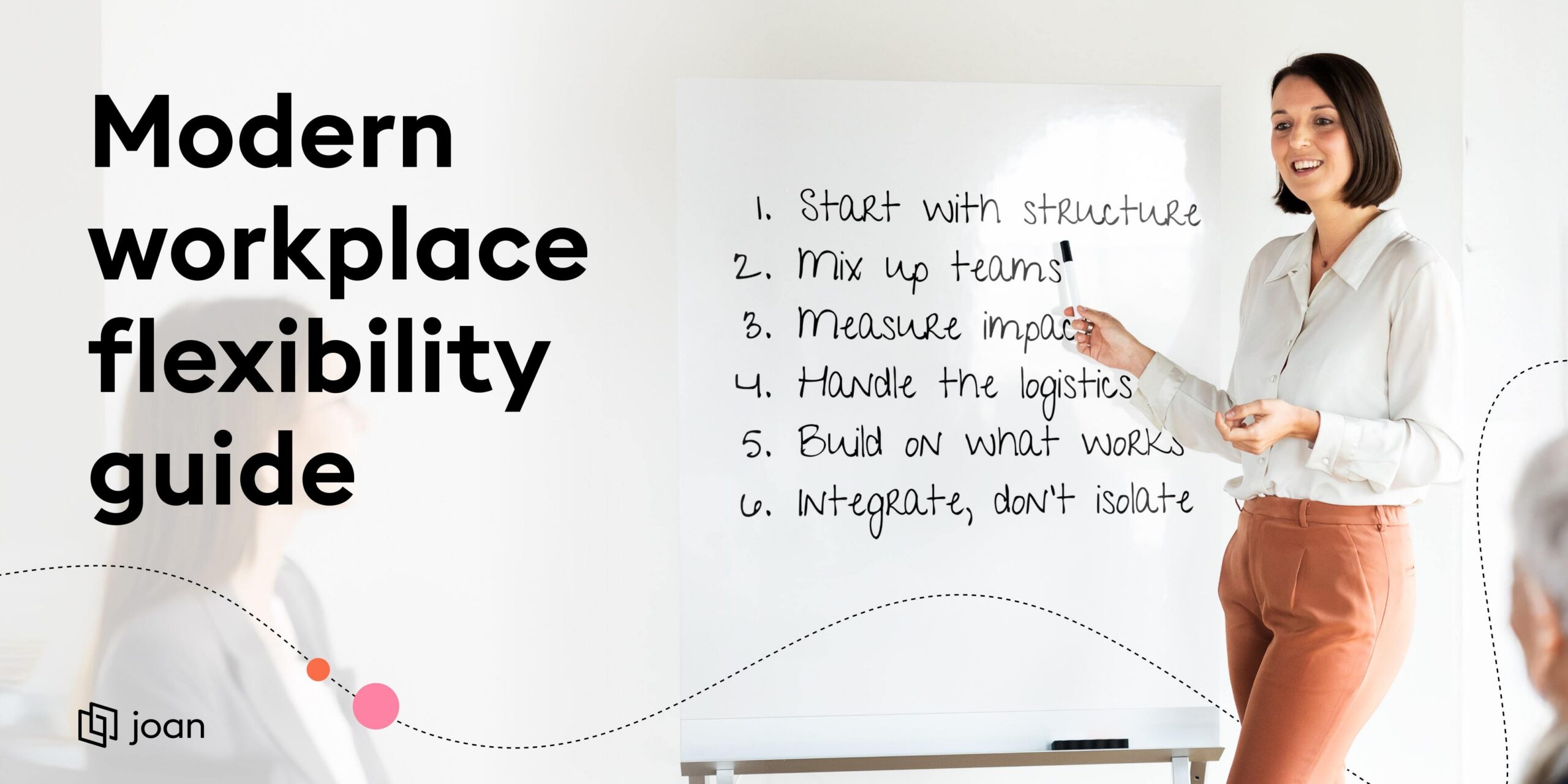
- Start with a plan, not chaos. Don’t just tell people “go work somewhere else for a week.” Create clear frameworks with objectives, durations, and who can participate.
- Mix people who don’t usually talk. Bring together people from different departments: marketing with engineering, operations with design. Our best insights came from conversations between people who never would have met at the coffee machine.
- Actually measure the results. Do before-and-after surveys. Track what improved and what didn’t. Otherwise you’re just guessing whether this whole thing worked.
- Don’t forget the boring stuff. Someone needs to figure out security policies and information boundaries. It’s not glamorous, but it matters.
- Start where you are. Already doing remote work? Add structured workation opportunities. You don’t need to reinvent everything from scratch.
The difference between workations and traditional team building lies in integration. Team building events are typically short, activity-based, and separate from daily work.
Workations merge the operational and relational aspects of work, creating opportunities for collaboration in real-time and in context.
The tech behind the scenes
When we hosted the CitizenM team, our own workplace technology became the silent hero of the entire experiment.
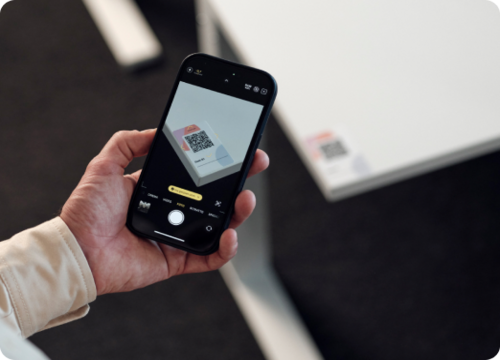
What we loved most was how seamlessly everything worked. The team used the platform daily to book desks, reserve meeting rooms, secure parking spots, and manage asset bookings, all while ensuring GDPR compliance.
Whether you’re planning your own team workations or just want better productivity in your current office, this matters.
So, what now?
Workplace flexibility works because it treats people as humans first, employees second. When work fits people, everything else follows.
And here’s the thing, most people crave stability more than they crave adventure. They just want work that bends a little when life requires it.
Ready to see the full results and methodology behind our experiences?
Get the workation experience report here.